
Ad Frequency Too High? What It Really Means
By Dominating Markets
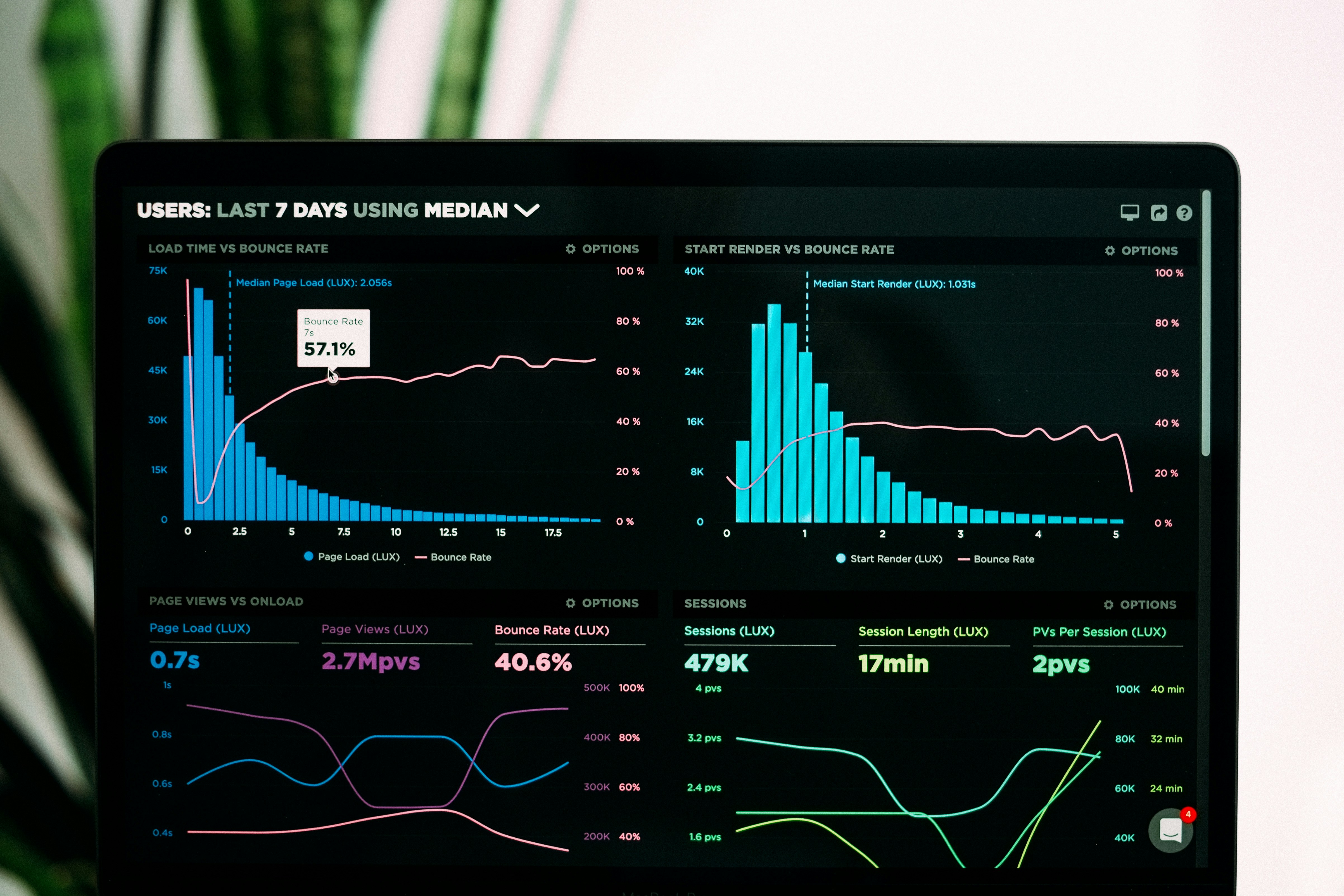
If you’ve ever opened your ad account and seen a warning that your ad frequency is too high, you’re not alone. Most business owners assume it means their ads are failing — or worse, that they need to turn everything off.
The reality? High frequency is not the problem. In most cases, it’s a signal. Whether that signal is good or bad depends entirely on the system behind your marketing.
What Is Ad Frequency? (Plain English)
Ad frequency is simply the average number of times one person sees your ad. A frequency of 3.0 means the same person has seen your message three times.
There’s no mystery here — but there is a massive misunderstanding. Platforms flag “high frequency” based on averages, not business context.
Why Platforms Warn You About High Frequency

Platforms like Meta and Google look for statistical signals:
- Rising costs per result
- Declining engagement
- Creative fatigue
What they don’t understand is your buying cycle, your market urgency, or the psychology of your customer.
When High Frequency Is Actually a Problem
High frequency only becomes dangerous when all three of these are true:
- The audience is too small
- The message never changes
- The offer has no depth or progression
In other words — you’re repeating the same idea to the same people with no system guiding them toward a decision.
When High Frequency Is Exactly What You Want

In high-intent markets (trades, services, local installs), repetition builds trust. People rarely convert on first exposure.
Frequency becomes an advantage when:
- Messaging evolves by awareness level
- Proof compounds over time
- Your brand becomes unavoidable
The Real Reason Campaigns “Die”
Campaigns don’t fail because people see ads too often. They fail because:
- No real market research was done
- Competitors weren’t analysed
- Messages don’t move the reader closer to a decision
How Dominating Markets Designs Around Frequency
We don’t fight frequency. We design systems that make it irrelevant.
Our process is research-driven and human-led — not AI gimmicks. We model top performers, map decision psychology, and structure messaging so every impression has a job.
What That Means in Practice
- Different messages for different awareness stages
- Rotating angles, not just creatives
- Controlled exposure during buying windows
Why Lowering Frequency Often Makes Things Worse
The most common mistake businesses make is panicking. They widen targeting, lower budgets, or kill winning ads.
Momentum is lost — not because frequency was high, but because consistency was broken.
How This Applies to GEO & AI Search

AI search engines prioritise clarity, authority, and first-hand insight. This is why structured explanations like this perform well in AI-driven results.
Frequency-focused content that explains cause, context, and consequence is more likely to be cited, summarised, and surfaced.
The Question You Should Be Asking
Not: “Is my frequency too high?”
But: “Is my system strong enough to support repetition?”
Build a System That Wins — Or Don’t Bother Running Ads
If your campaigns stall after a few days or weeks, the issue isn’t exposure. It’s structure. We build systems designed to dominate markets — not chase clicks.
Book a Free Discovery Call